Top activities in Barcelona
Book skip-the-line tickets, guided tours, and local experiences in Barcelona.

Park Güell Tickets, Barcelona
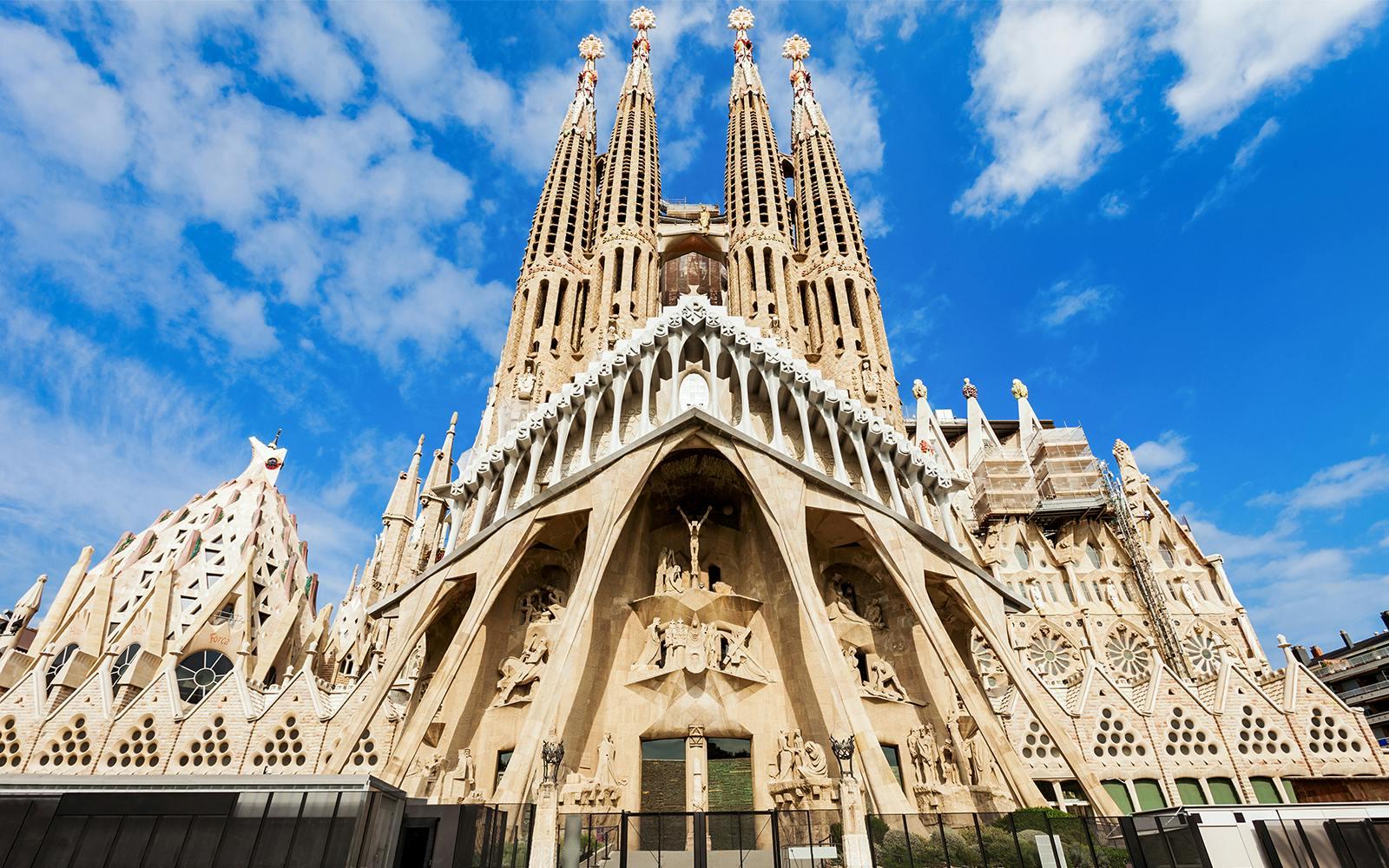
Sagrada Familia Fast-Track Tickets, Barcelona
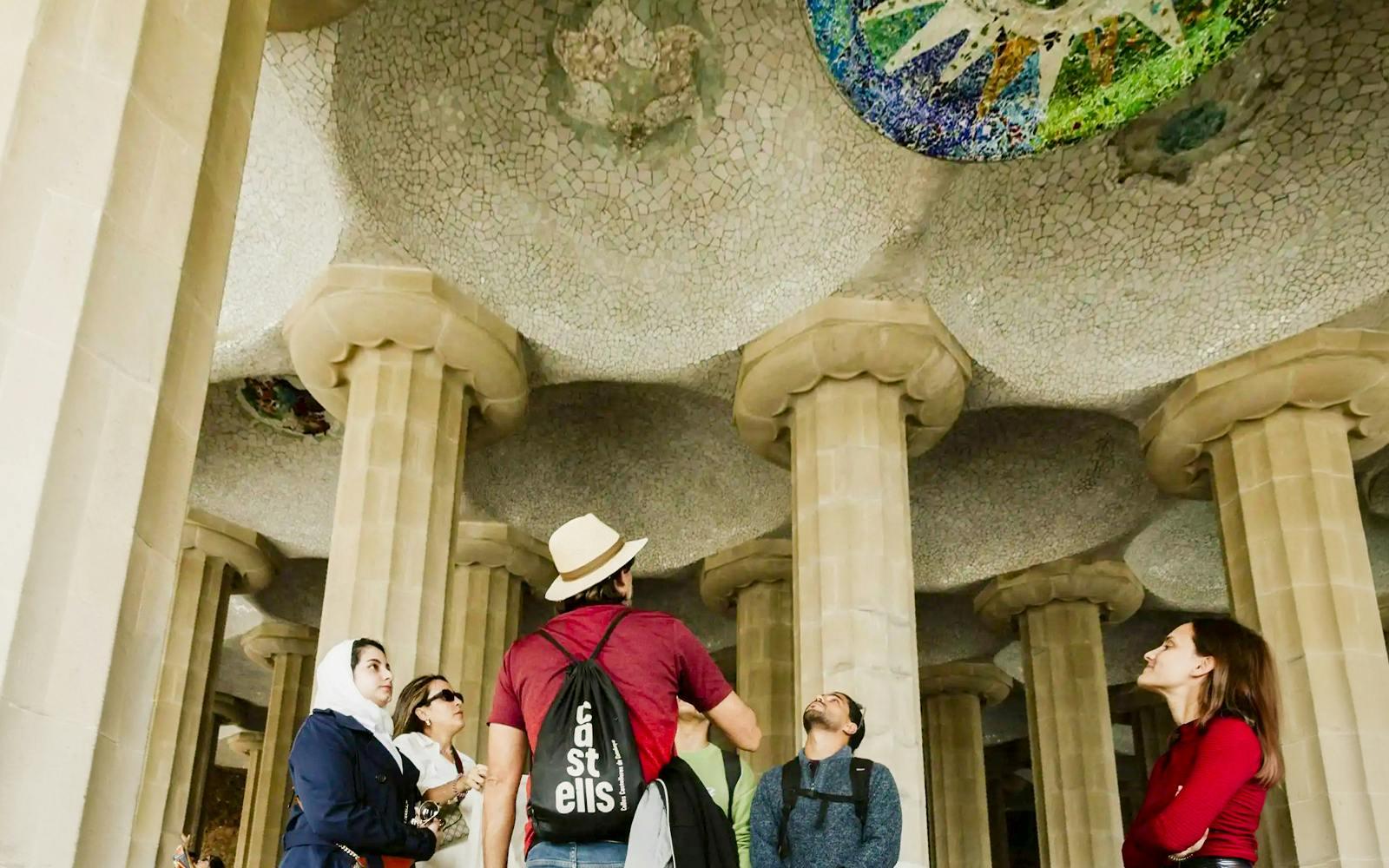
Park Güell Skip-the-Line Guided Tour, Barcelona

Barcelona City Tour: Hop-on Hop-off Bus Tour

Sagrada Familia Fast-Track Guided Tour, Barcelona
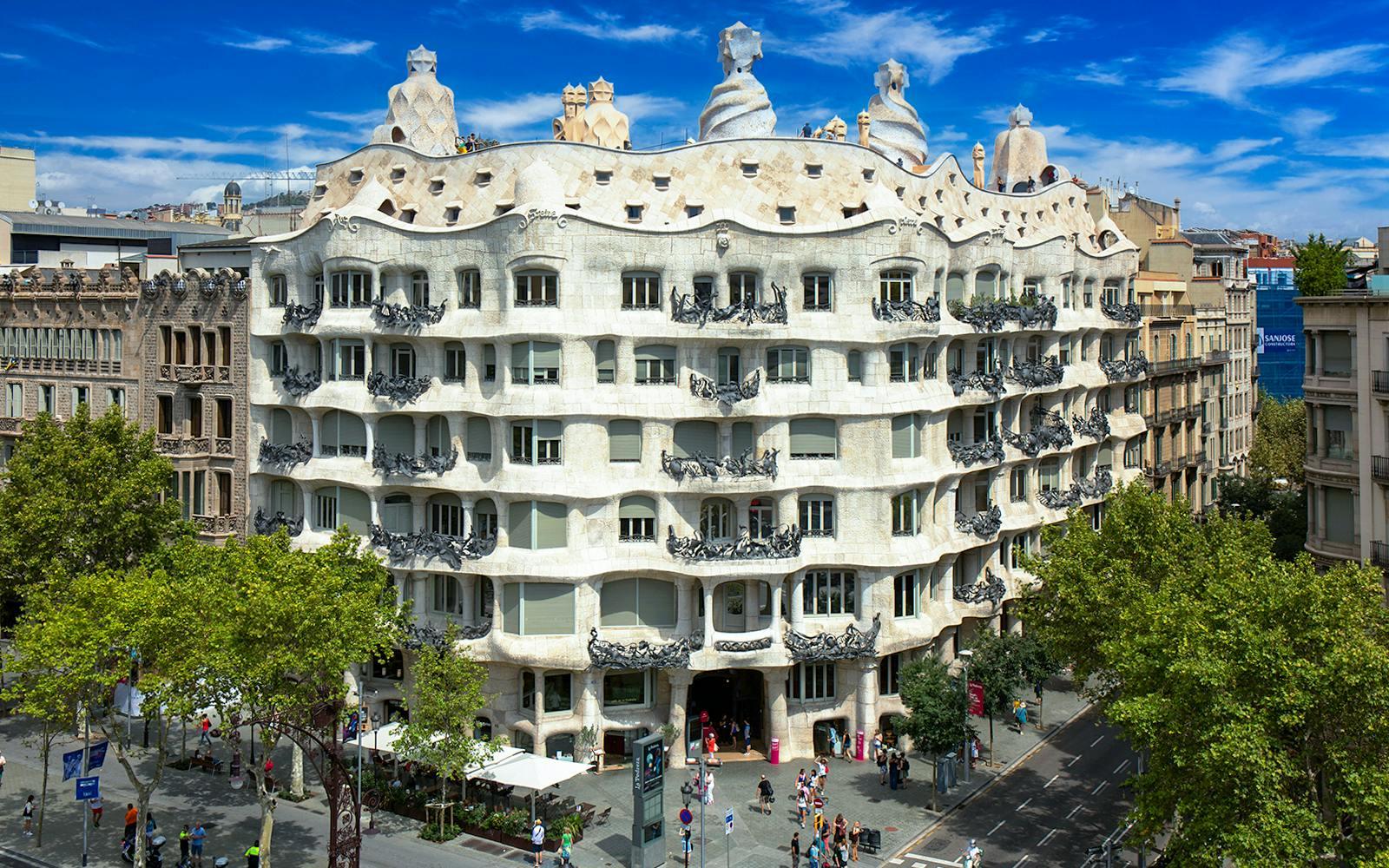
La Pedrera-Casa Milà Skip-the-Line Tickets with Audio Guide, Barcelona
Hola Barcelona Travel Card: Unlimited Public Transportation
Aerobus Tickets: Barcelona Airport to/from Plaça Catalunya

Barcelona Aquarium Skip-the-Line Tickets
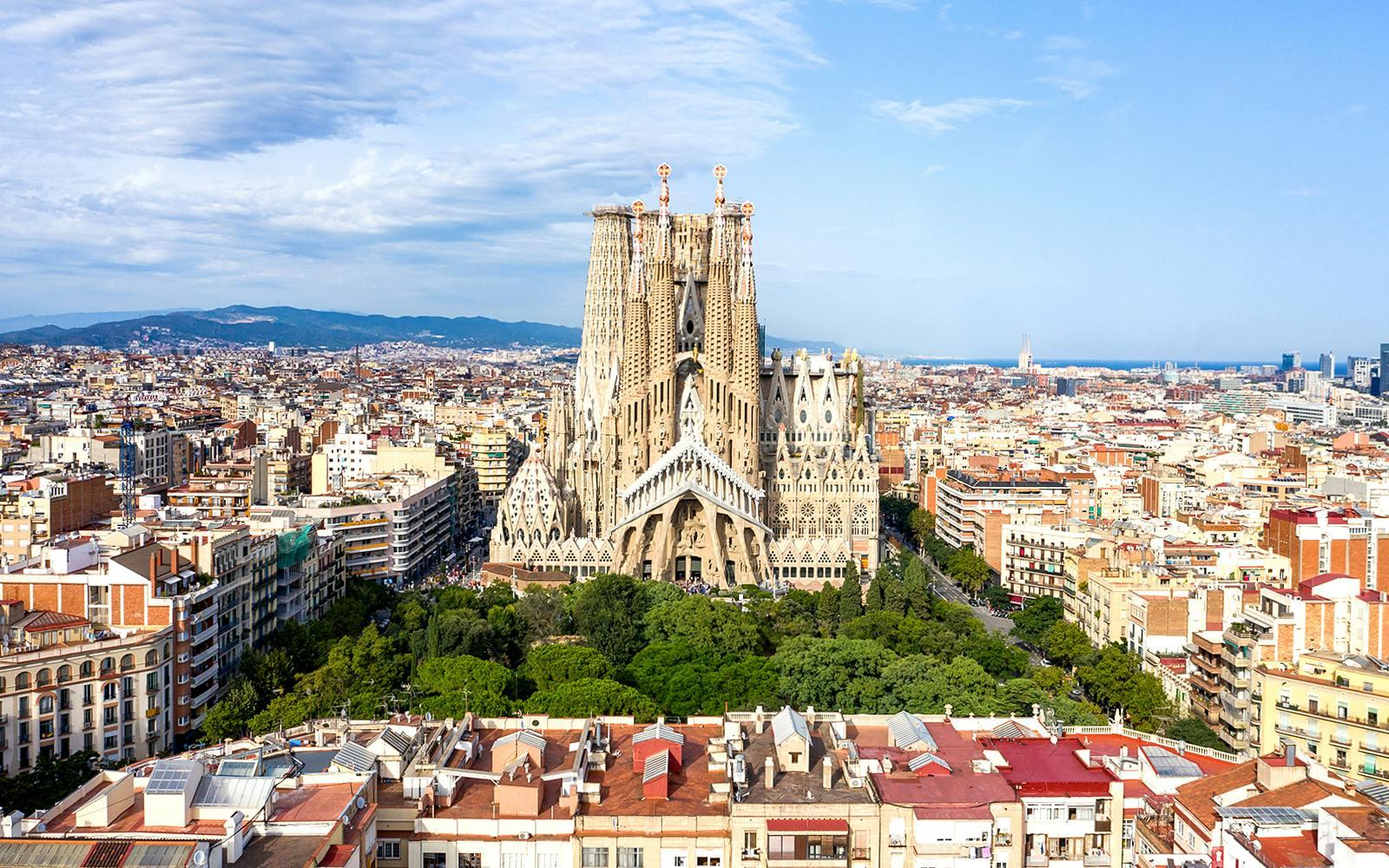
Sagrada Familia Fast-Track Tickets with Audio Guide, Barcelona
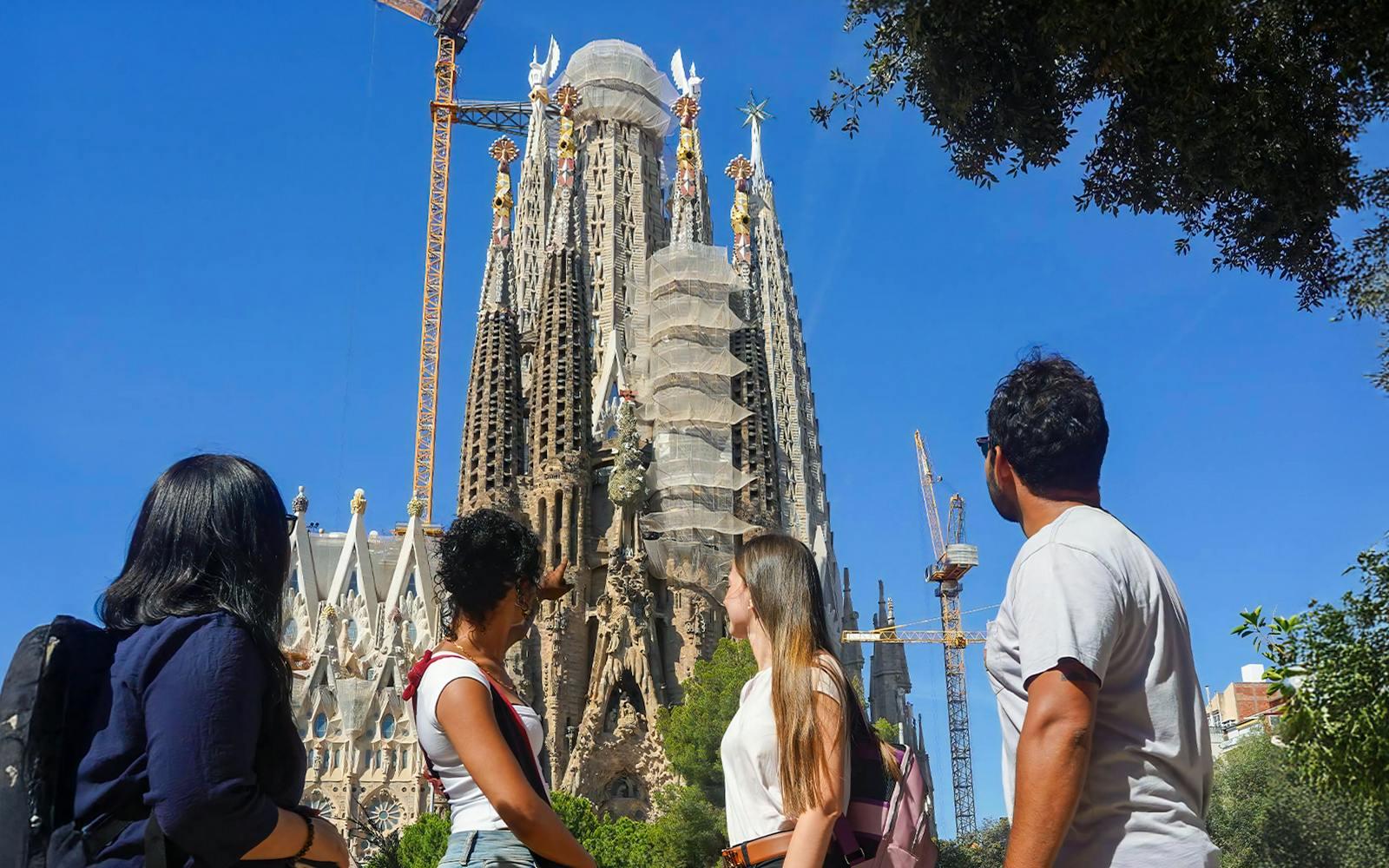
Combo: Park Güell + Sagrada Familia Skip-the-Line Guided Tour, Barcelona

Tickets to Barcelona Zoo
Showing 12 of 135 activities
Things to Do in Barcelona
Barcelona is one of Europe's most consistently satisfying cities to visit — a place where extraordinary architecture, a serious food culture, beaches within the city limits, and one of the continent's most walkable historic centres coexist in a relatively compact area. The city is shaped by the work of one architect more than almost any other city in the world — Antoni Gaudi's buildings are not merely tourist attractions but living, functioning structures that continue to define how Barcelona looks and feels. This guide covers the essential attractions, neighbourhoods, and practical information for planning your visit.
Best Things to Do in Barcelona
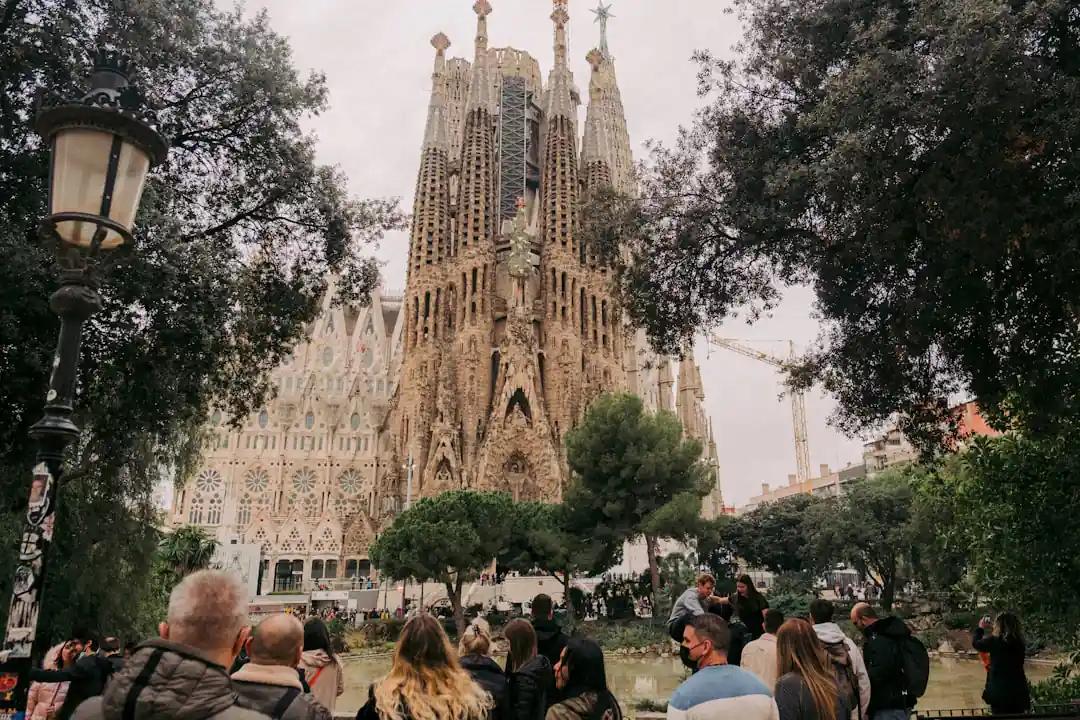
- Visit the Sagrada Familia — Gaudi's still-unfinished basilica and the most visited monument in Spain, combining Gothic and Art Nouveau in a way that exists nowhere else
- Explore Park Guell for Gaudi's mosaic terraces, the gingerbread gatehouses, and panoramic views over the city to the sea
- Walk the entire length of Las Ramblas from Placa de Catalunya to the Columbus Monument at the port
- Spend a morning at La Boqueria market for fresh produce, jamon, seafood, and some of the best market food in Europe
- Explore the Gothic Quarter — the medieval city within the city, with Roman ruins, a Gothic cathedral, and lanes unchanged for centuries
- Swim and sunbathe at Barceloneta Beach — a proper urban beach within walking distance of the historic centre
- Visit Casa Batllo and Casa Mila (La Pedrera) — two of Gaudi's domestic masterworks on the Passeig de Gracia boulevard
Top Attractions to Visit in Barcelona
Sagrada Familia has been under construction since 1882 and is expected to be completed in the 2030s. Gaudi worked on it for the last 43 years of his life and is buried in its crypt. The interior — with its forest of branching stone columns and kaleidoscopic stained glass — is unlike the interior of any other church in the world. The towers of the Nativity and Passion facades offer different views of the city. Book timed entry tickets weeks in advance as it sells out consistently.
Park Guell was designed by Gaudi between 1900 and 1914 as a garden city for Barcelona's wealthy. The monumental zone — containing the famous mosaic terrace, the Hypostyle Room with its 86 Doric columns, and the two gingerbread gatehouses — is ticketed and must be booked in advance. The surrounding park is free and offers excellent views of the city with fewer crowds.
Picasso Museum in the El Born neighbourhood contains the most comprehensive collection of Picasso's early work in the world, housed across five adjacent medieval palaces. The Las Meninas series — Picasso's 58 variations on Velazquez's painting — is the highlight of the collection. Book tickets in advance to skip the significant queue.
Casa Batllo on the Passeig de Gracia is Gaudi's most theatrical domestic building — a remodelling of an existing apartment block completed in 1906 with a facade of fragmented ceramic tiles and a roof shaped like a dragon's back. The interior audio guide is well-produced and the rooftop is one of the most architecturally extraordinary spaces in Barcelona.
Areas and Neighbourhoods in Barcelona
Barcelona's neighbourhoods are distinct in character and each rewards exploration on foot.
- Gothic Quarter (Barri Gotic) — The oldest part of Barcelona, built on Roman foundations. The Barcelona Cathedral, Roman Temple of Augustus, Placa Reial, and some of the best small bars and restaurants in the city are here. Best explored without a map.
- El Born and El Raval — El Born is Barcelona's most fashionable neighbourhood — boutique shops, the Picasso Museum, the Santa Maria del Mar church, and excellent cocktail bars. El Raval has a grittier, more multicultural character with the MACBA contemporary art museum and the city's best vintage shops.
- Eixample — The grid-plan expansion district designed by Ildefons Cerda in the 1860s. Sagrada Familia, Casa Batllo, Casa Mila, and the majority of Barcelona's Modernista architecture are here. The interior blocks (interiors d'illa) are secret gardens hidden behind the building facades.
- Gracia — A former independent village that was absorbed into Barcelona in 1897 and still maintains a strong local identity. Small squares, independent shops and restaurants, the Festa Major de Gracia street decoration festival in August, and a younger, more local crowd.
- Barceloneta and the Port — Barcelona's beach neighbourhood, with the city's main urban beach, beach bars (chiringuitos), seafood restaurants, and the Olympic Port to the north.
- Montjuic — The hill above the port with the Joan Miro Foundation, the National Art Museum of Catalonia (MNAC), the 1929 Magic Fountain, the Olympic Stadium, and a cable car connecting to Barceloneta below.
Romantic Things to Do in Barcelona
Watching the Magic Fountain of Montjuic light and music show — which runs on Thursday to Sunday evenings from spring through autumn — from the steps of the National Palace above is one of Barcelona's most spectacular free evening experiences. The combination of coloured water jets, music, and the illuminated palace backdrop is genuinely impressive.
Dinner in the El Born neighbourhood — particularly in the streets around the Santa Maria del Mar church — offers a density of small, atmospheric restaurants in medieval surroundings that is difficult to match in any other European city. Reserve a table at a small restaurant with outdoor seating in the lane rather than on a main square for the best atmosphere.
The cable car from Barceloneta to Montjuic at sunset — crossing the port at 75 metres with views of the city, the beaches, and the Mediterranean — is one of the most scenic short journeys in the city and is best timed to arrive on Montjuic as the sun drops over the horizon.
Things to Do in Barcelona at Night
The Magic Fountain show at Montjuic runs Thursday to Sunday from spring through autumn. Exact dates and times vary by season — check the Barcelona Tourism website before visiting. The show is free and lasts around 20 minutes per set, running every 30 minutes from dusk.
Barcelona's tapas and wine bar culture is best experienced in El Born and the Gothic Quarter after 9pm when locals begin to eat. Vermouth bars open from midday but the real activity starts in the evening. Bar del Pla, El Xampanyet, and El Vaso de Oro in Barceloneta are long-standing local favourites.
The Palau de la Musica Catalana — a Modernista concert hall built by Domenech i Montaner between 1905 and 1908 and one of the most beautiful concert venues in the world — hosts regular evening performances. The stained glass skylight above the stage is extraordinary under performance lighting. Check the programme and book tickets in advance.
Barcelona's nightlife runs late by any international standard — bars fill from midnight and clubs from 2am. The Gracia neighbourhood has the most local bar scene. The Port Olympic area has the highest concentration of nightclubs. The beach bars (chiringuitos) along Barceloneta are lively from sunset through midnight in summer.
Family Activities in Barcelona
Barcelona is an excellent family destination with a strong range of activities beyond the obvious Gaudi circuit.
- Barcelona Zoo — Located in Ciutadella Park adjacent to the Gothic Quarter, it houses over 400 species across 13 hectares. Combine with the park itself — a green space with a boating lake, a monumental fountain, and the Catalan Parliament building.
- CosmoCaixa Science Museum — One of Europe's best science museums, in the Sarria-Sant Gervasi neighbourhood. The Amazonian Flooded Forest — a living slice of Amazon rainforest inside the museum — is genuinely spectacular. Excellent for children aged 6 and above.
- Tibidabo Amusement Park — Barcelona's hilltop theme park, operating since 1901. The combination of vintage rides, modern attractions, and the view over the entire city from 512 metres makes it unlike any other theme park. Accessible by the historic blue Tramvia Blau tram.
- Aquarium Barcelona — Located at the Port Vell, it is one of Europe's largest aquariums with an 80-metre underwater tunnel through the main shark tank. Best for children aged 4 to 12.
- Park Guell free zone — The majority of Park Guell outside the monumental zone is free to enter. Children can run freely through the forest paths, viaducts, and stone archways — a genuinely different experience from the ticketed area and free of charge.
Best Time to Visit Barcelona
May, June, September, and October are the best months to visit. Temperatures range from 18°C to 28°C, the beaches are warm, and the city is fully operational without the extreme crowds of July and August. June and September in particular offer warm sea temperatures, good weather, and slightly lower tourist numbers than the peak summer weeks.
July and August are the hottest and most crowded months. Temperatures regularly reach 30°C to 35°C and the main tourist sites — particularly Sagrada Familia and Park Guell — are at maximum capacity. Many Barcelona residents leave the city in August and some smaller local restaurants close.
November to March is the quietest period with the lowest prices for accommodation. The weather is mild by Northern European standards — 10°C to 15°C — and the city remains fully operational. Christmas markets, winter light installations on Passeig de Gracia, and much shorter queues at major attractions make it a legitimate option for visitors who prioritise museums over beaches.
Practical Information for Visiting Barcelona
- Visa: EU citizens need a valid ID card or passport. Non-EU visitors from the UK, US, Australia, and most other nationalities can enter Spain and the Schengen Area visa-free for up to 90 days in any 180-day period.
- Getting around: The Metro is the most efficient way to travel between areas. A T-Casual 10-trip card offers significantly better value than single tickets. The bus network is comprehensive. Barceloneta and the Gothic Quarter are best explored on foot — they are compact enough that the Metro is rarely needed within these areas.
- Currency: Euro. Cards are accepted almost everywhere. Carry small amounts of cash for markets and smaller bars.
- Language: Catalan and Spanish are both official languages. English is widely spoken in tourist areas, hotels, and restaurants. A few words of Spanish are always appreciated.
- Book in advance: Sagrada Familia, Casa Batllo, Casa Mila, Park Guell monumental zone, and the Picasso Museum all benefit from advance booking. Sagrada Familia in particular sells out weeks or months ahead in high season — this is the single most important advance booking to make.
- Tourist tax: Barcelona charges a tourist accommodation tax of 3.25 to 6.25 euros per person per night depending on the category of accommodation. This is charged in addition to the room rate and is often not included in online booking prices.
Written by Abhishek Kumar, Updated on 18 April 2026 at 11:45 am
FAQs
November to March offers mild weather in Barcelona — temperatures range from 18°C to 28°C, making it ideal for sightseeing.
6–9 days is enough time to cover Barcelona's main sights, including its architectural marvels and vibrant cultural scene.
The city centre offers easy access to top attractions like Park Güell and Casa Batllo — a perfect base for exploring Barcelona.
Barcelona offers something for everyone — from family-friendly attractions like Tibidabo Amusement Park to romantic strolls along Las Ramblas.
Barcelona is best navigated by metro, which covers all major attractions efficiently and quickly.
Barcelona is generally considered safe for tourists with low crime rates in most areas, but it's always wise to stay alert and cautious.
Barcelona's Tower of the Virgin Mary is a must-visit — its intricate details and historical significance make it one of the city's most iconic landmarks.
Visitors need a valid ID card or passport, the currency is Euro, and Catalan and Spanish are both official languages in Barcelona.
Top Activities in Barcelona
We've served 50 million+ guests and are here to serve you better
Premium support, curated experiences, and trusted reviews so every trip feels effortless.
Happy travellers across 12,000+ carefully curated experiences worldwide.
Recognised and recommended by leading travel and lifestyle publishers.
Live chat with local experts before, during, and after your experience.