Top activities in New York
Book skip-the-line tickets, guided tours, and local experiences in New York.

NYC's Best Observation Decks Tickets, New York
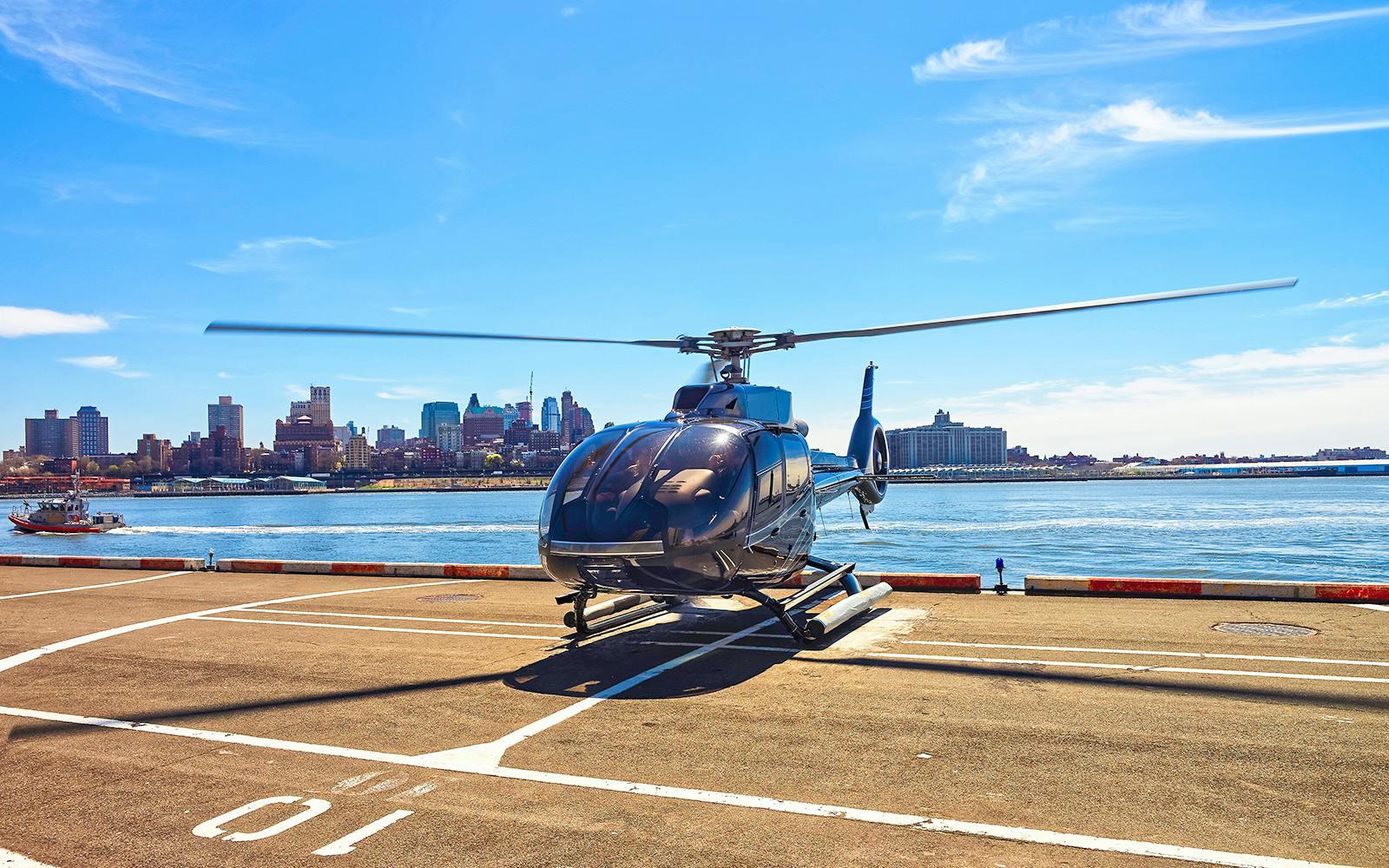
New York City Helicopter Tour

Edge Observation Deck Tickets: Timed Entry, New York

SUMMIT One Vanderbilt Tickets, New York

20-Min Ultimate NYC Helicopter Tour from Downtown Manhattan, New York

Empire State Building Observation Deck Tickets, New York

Museum of Modern Art (MoMA) Tickets, New York

9/11 Memorial & Museum Tickets, New York

Statue of Liberty & Ellis Island Tickets, New York

Go City New York All-Inclusive Pass: Choose 1 to 10 Days
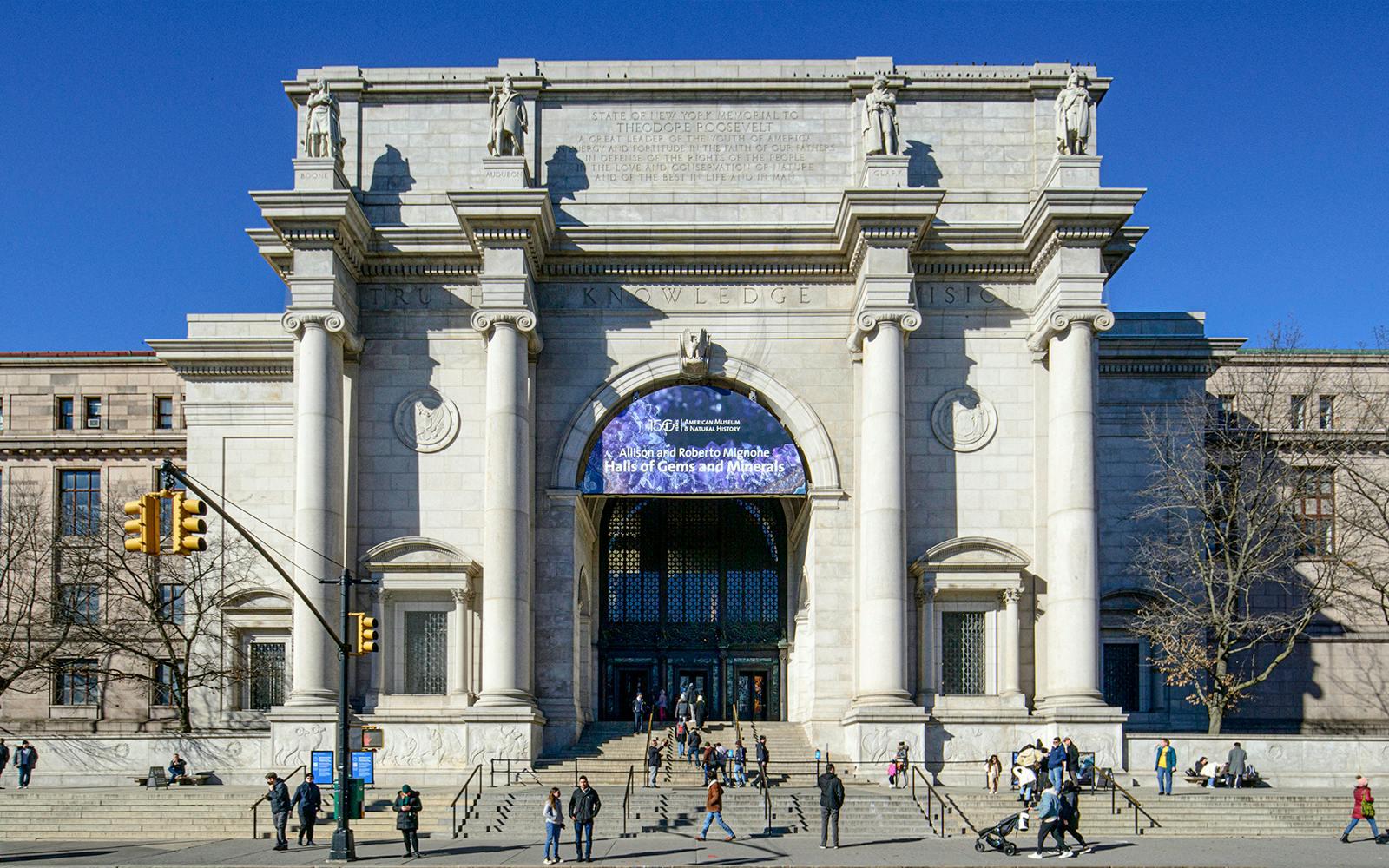
American Museum of Natural History Tickets, New York

30-Min All-Inclusive NYC Helicopter Tour from Downtown Manhattan, New York
Showing 12 of 153 activities
Things to Do in New York
New York is one of the most densely layered cities on earth — a place where a 19th-century immigrant neighbourhood sits next to a glass tower, and where a 5-dollar slice of pizza is as much a part of the city's identity as a Michelin-starred tasting menu. The energy, variety, and pace of New York are unlike anywhere else. This guide covers the essential attractions, neighbourhoods, and practical information for planning your visit.
Best Things to Do in New York
- Go to the top of the Empire State Building or One World Observatory for panoramic views over Manhattan and the five boroughs
- Walk across the Brooklyn Bridge from Manhattan to Brooklyn — a 30-minute walk with some of the best views of the Manhattan skyline
- Spend a morning in Central Park — 843 acres of lawns, lakes, the Bethesda Fountain, Strawberry Fields, and the Reservoir
- Visit the Metropolitan Museum of Art — 17 acres of galleries covering 5,000 years of art from every corner of the world
- Take the Staten Island Ferry — a free 25-minute ride across New York Harbour with close views of the Statue of Liberty
- Explore Chelsea Market and the High Line — an elevated park built on a former railway viaduct with food vendors, art installations, and Hudson River views
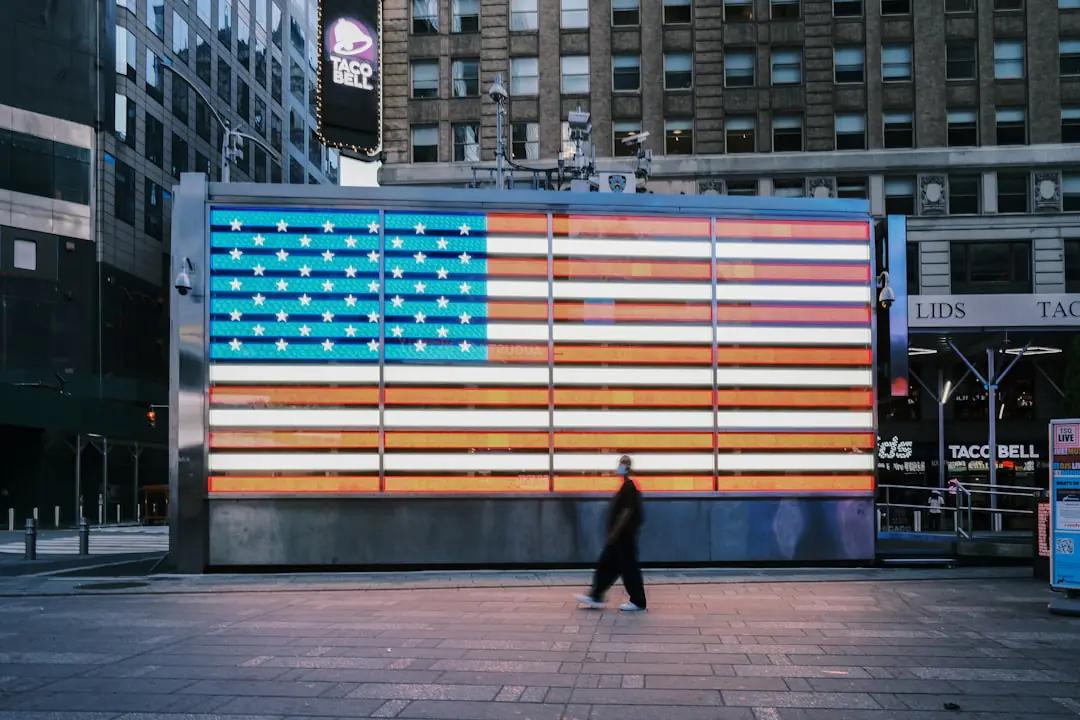
- Walk through Times Square at night when the LED billboards light up the streets — best experienced quickly and then escaped to quieter parts of Midtown
Top Attractions to Visit in New York
Statue of Liberty stands on Liberty Island in New York Harbour and was a gift from France to the United States, dedicated in 1886. Ferry tickets include entry to Ellis Island Immigration Museum. Access to the pedestal and crown requires advance booking — crown tickets sell out months ahead.
Metropolitan Museum of Art on Fifth Avenue is one of the world's great art museums, covering 5,000 years of human creativity across 17 acres of galleries. Highlights include the Egyptian Temple of Dendur, European paintings by Vermeer, Rembrandt, and Caravaggio, and the American Wing. Admission is pay-what-you-wish for New York State residents; a suggested admission applies for others.
Empire State Building at 443 metres (to the roof) dominated the New York skyline from 1931 for over 40 years. The 86th floor observation deck is the most iconic vantage point in the city. The 102nd floor top deck has smaller numbers and better unobstructed views. Book tickets in advance to skip the queue.
The High Line is a 2.3-kilometre elevated park built on a former freight rail line on Manhattan's west side between the Meatpacking District and Hudson Yards. It is free to enter, runs through the heart of the Chelsea gallery district, and offers Hudson River views and rotating public art installations.
Areas and Neighbourhoods in New York
Manhattan is the focal point for most visitors, but each of its neighbourhoods — and the outer boroughs — has a distinct identity worth exploring.
- Midtown Manhattan — Times Square, the Empire State Building, Rockefeller Center, Grand Central Terminal, and Fifth Avenue shopping. The commercial heart of the city and the most visited area — best for landmarks and energy rather than local life.
- Lower Manhattan and Financial District — Wall Street, the 9/11 Memorial and Museum, One World Trade Center, the Brooklyn Bridge, and the Staten Island Ferry terminal. The area is quiet on weekends when offices are closed.
- Brooklyn — DUMBO and Williamsburg — DUMBO (Down Under the Manhattan Bridge Overpass) has the most photographed Manhattan skyline views. Williamsburg is Brooklyn's most dynamic neighbourhood for restaurants, bars, vintage shopping, and live music.
- Greenwich Village and the West Village — Narrow tree-lined streets, independent restaurants, jazz clubs, and Washington Square Park. One of Manhattan's most walkable and characterful neighbourhoods.
- Harlem — Gospel brunch on Sunday mornings, jazz history, soul food restaurants, and the Apollo Theater. More accessible and welcoming to visitors than its reputation sometimes suggests.
- Upper West Side and Upper East Side — The Upper West Side borders Central Park and contains the American Museum of Natural History. The Upper East Side has Museum Mile — a stretch of Fifth Avenue containing the Met, the Guggenheim, and six other major museums.
Romantic Things to Do in New York
A sunset walk across the Brooklyn Bridge — starting from the Manhattan side around an hour before sunset and arriving in DUMBO as the skyline lights up — is one of the most consistently spectacular free experiences in the city. The combination of the bridge architecture and the Manhattan backdrop is unlike anything else.
Dinner in the West Village — the neighbourhood's concentration of small, intimate restaurants on cobbled streets is the closest thing New York has to a European dining atmosphere. Reserve a table at a smaller restaurant rather than a well-known name for a more personal experience.
The Top of the Rock observation deck at 30 Rockefeller Plaza offers a better view of the Empire State Building than the Empire State Building itself. At night, with the illuminated skyline stretching in every direction, it is one of the most dramatic views in the city and a strong alternative to more crowded observation decks.
Things to Do in New York at Night
Jazz in the West Village — venues like the Village Vanguard, Blue Note, and Smalls Jazz Club have been central to the city's jazz scene for decades. Most have late sets starting at 10pm or 11pm. Doors are small, the music is close, and the atmosphere is genuinely special.
The Brooklyn Promenade in Brooklyn Heights offers one of the best night views of the Manhattan skyline — from the Brooklyn Bridge on the left to the full sweep of lower and midtown Manhattan. It is a 15-minute walk from the F train at York Street station.
Broadway shows in the Theatre District around Times Square run Tuesday through Sunday with matinees on Wednesday and Saturday. Lottery apps like the TodayTix Rush feature offer significantly discounted tickets on the day of the performance for most major productions.
New York's bar scene ranges from dive bars charging 3 dollars for a beer to rooftop bars with 25-dollar cocktails. The Meatpacking District, Lower East Side, and East Village have the densest concentration of nightlife venues and stay animated until 4am most nights.
Family Activities in New York
New York has a strong range of family attractions that go well beyond the obvious tourist landmarks.
- American Museum of Natural History — The dinosaur halls, the blue whale model suspended in the Milstein Hall of Ocean Life, and the Rose Center for Earth and Space make this one of the best natural history museums in the world. Located on the Upper West Side adjacent to Central Park.
- Central Park — The zoo, the carousel, the Conservatory Garden, rowboat hire on the Lake, and the Great Lawn for picnics and frisbee. A full day in the park with children requires no budget beyond food.
- Intrepid Sea, Air and Space Museum — A decommissioned aircraft carrier on the Hudson River in Midtown, housing aircraft, submarines, and the Space Shuttle Enterprise. Excellent for children interested in history, aviation, and space.
- Brooklyn Children's Museum — The world's oldest children's museum, in Crown Heights Brooklyn, with hands-on exhibits designed for children up to age 8. Less crowded than Manhattan attractions and well worth the subway ride.
- Coney Island — The historic boardwalk, Luna Park amusement rides, Nathan's Famous hot dogs, and the beach make Coney Island a quintessentially New York family day out from late May through September.
Best Time to Visit New York
April, May, September, and October are consistently the best months to visit. Temperatures are comfortable between 10°C and 22°C, the parks are at their most appealing, and the city is fully operational without the extreme heat or cold of the peak and off-peak seasons.
June to August is summer — hot and humid with temperatures frequently above 30°C. The city is extremely busy with tourists, prices are at their highest, and the subway in summer without air conditioning is challenging. The upside is that outdoor events, rooftop bars, and beach access at Coney Island are all at their peak.
December and January bring cold temperatures (often below freezing) and some snow. However, the city at Christmas — decorated store windows, the Rockefeller Center tree, the skating rinks in Bryant Park and Central Park — is a genuine experience that many visitors plan trips specifically around. February and March are the quietest and cheapest months.
Practical Information for Visiting New York
- Getting around: The New York City Subway runs 24 hours a day, 7 days a week and is the most efficient way to travel between neighbourhoods. A single ride costs 2.90 USD. The OMNY contactless payment system accepts any contactless card or phone. Weekly unlimited MetroCards offer better value for stays of 5 or more days.
- Currency: US Dollar. Cards are accepted almost everywhere in Manhattan. Carry some cash for smaller vendors, markets, and outer borough establishments.
- Tipping: Tipping is mandatory in practice in New York. 18 to 20% at restaurants is standard. Taxi and rideshare drivers expect 15 to 20%. Bartenders typically receive 1 to 2 dollars per drink. Hotel staff and doormen 1 to 2 dollars per bag.
- Visa: UK, EU, Australian, and many other nationalities can visit the US visa-free under the ESTA (Electronic System for Travel Authorization) for up to 90 days. Apply for ESTA online at least 72 hours before travel.
- Safety: Manhattan and the main tourist areas of Brooklyn are safe for tourists. Keep standard urban awareness — be alert on the Subway late at night, keep bags in front of you in crowded areas, and avoid displaying expensive items openly.
- Costs: New York is expensive. Budget accommodation starts around 150 USD per night. A sit-down restaurant meal for two with drinks typically costs 80 to 150 USD. Street food and delis offer much cheaper alternatives throughout the day.
Written by Abhishek Kumar, Updated on 18 April 2026 at 11:47 am
FAQs
June to August offers warm weather and long days for sightseeing.
New York is best navigated by metro — efficient and covers most attractions.
6–9 days is enough time to cover New York's main sights and experiences.
Midtown Manhattan offers easy access to major attractions like Times Square and Central Park.
Visa-free under ESTA, use US Dollar; metro is efficient for getting around the city.
New York offers diverse activities — from family-friendly museums to solo exploration in Central Park.
Whitney Museum of American Art showcases modern art, while Top of The Rock provides stunning city views.
New York is generally safe; take usual precautions in crowded areas like Times Square.
Top Activities in New York
We've served 50 million+ guests and are here to serve you better
Premium support, curated experiences, and trusted reviews so every trip feels effortless.
Happy travellers across 12,000+ carefully curated experiences worldwide.
Recognised and recommended by leading travel and lifestyle publishers.
Live chat with local experts before, during, and after your experience.