Top activities in Tokyo
Book skip-the-line tickets, guided tours, and local experiences in Tokyo.
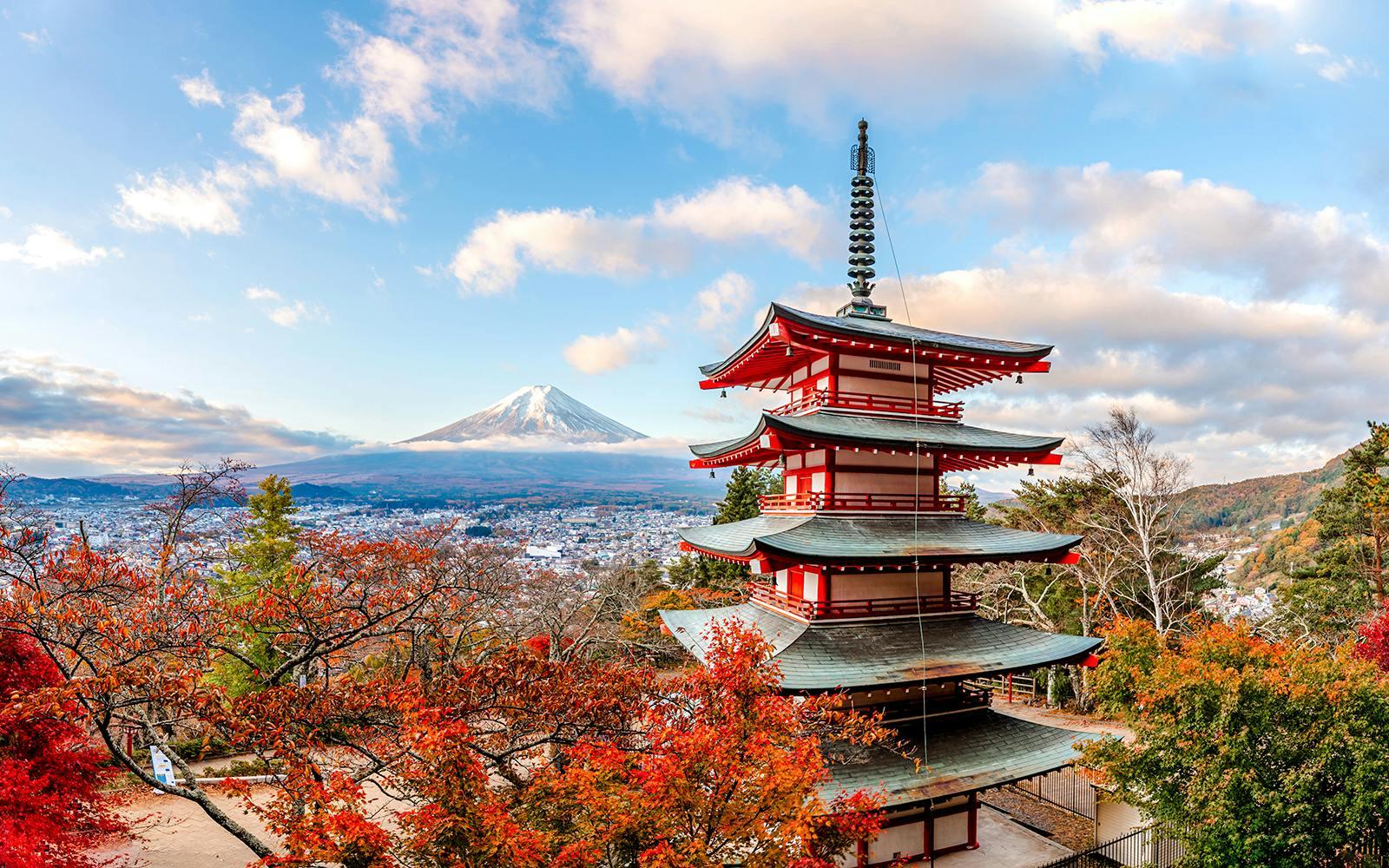
Mount Fuji Highlights Tour: Chureito Pagoda, Lake Kawaguchi, Oshino Hakkai, & More, Tokyo

TOKYO SKYTREE Tickets

teamLab Planets Tokyo Tickets

Mt. Fuji Instagrammable Tour: Chureito Pagoda, Oishi Park, Hikawa Clock Shop, Lawson Store, & More, Tokyo

Mount Fuji Tour with Hakone Ropeway, Lake Ashi, Hakone Shrine, & More, Tokyo
%2520Pass%252018.jpg&w=3840&q=75)
Mount Fuji & Hakone Premium Tour by Bullet Train, Tokyo

TOKYO SKYTREE Tembo Deck & Tembo Galleria Tickets
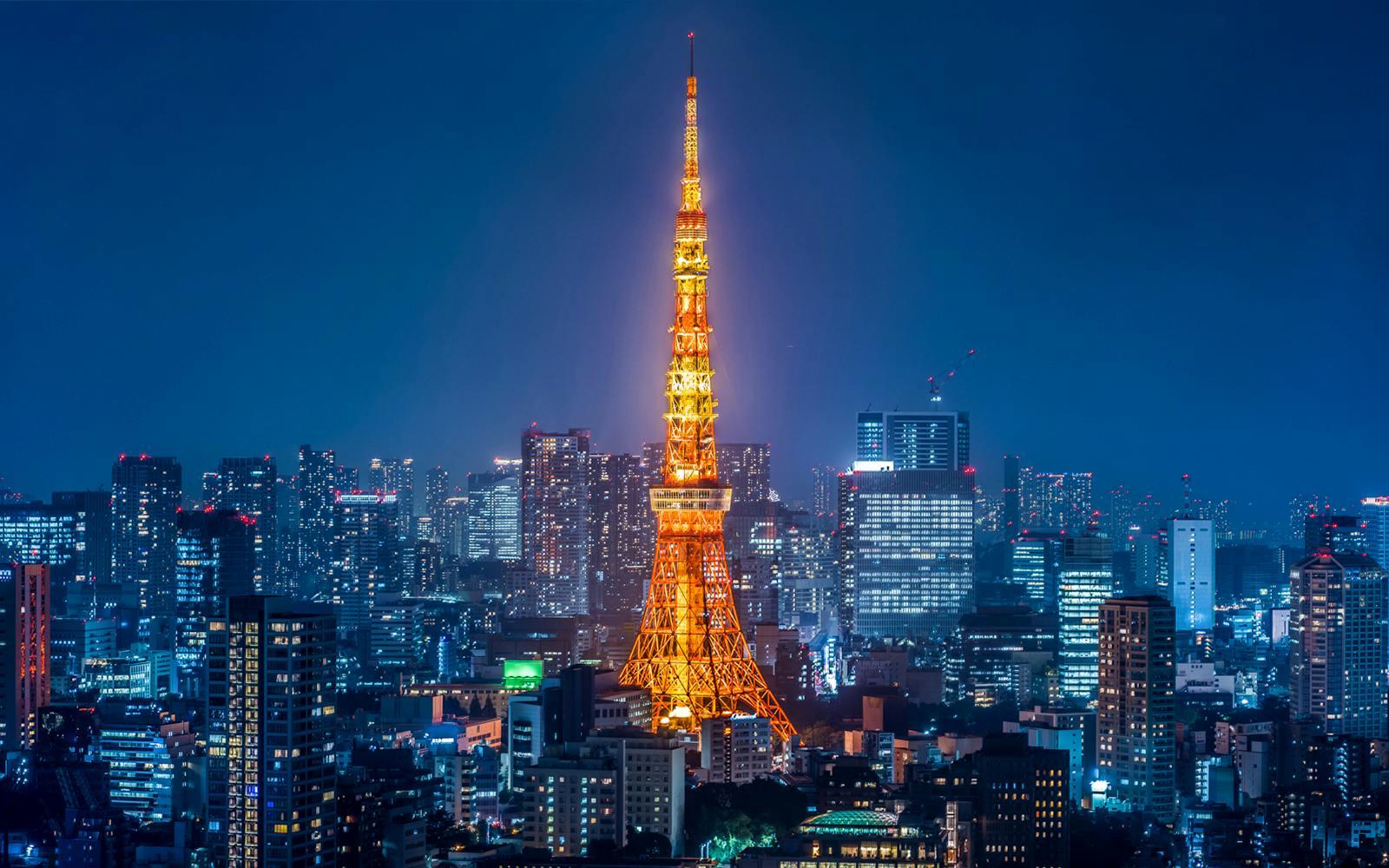
Tokyo Tower Tickets
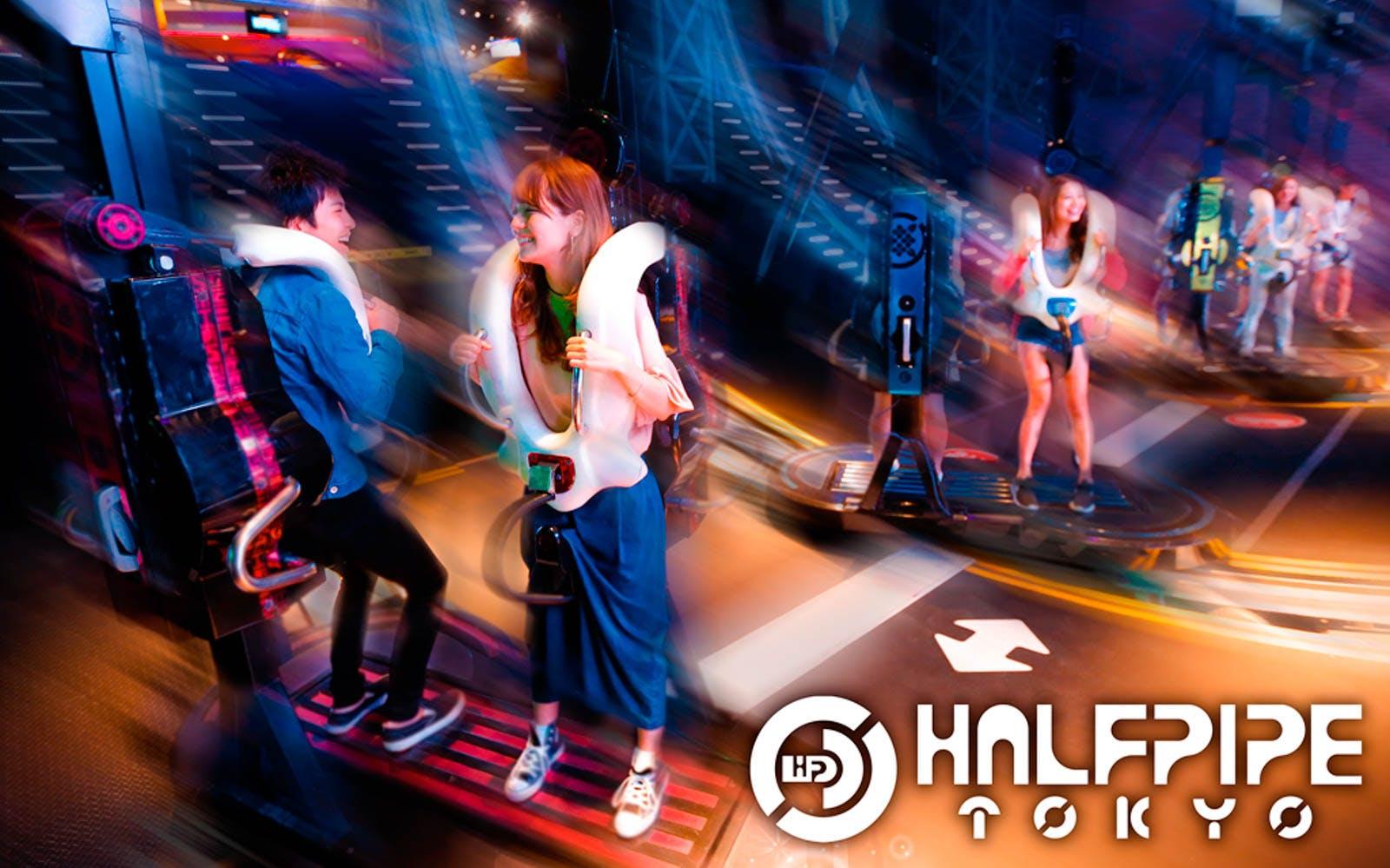
Tokyo JOYPOLIS 1-Day Passport

Tickets to Sanrio Puroland, Tokyo

Sumida Aquarium Tickets, Tokyo
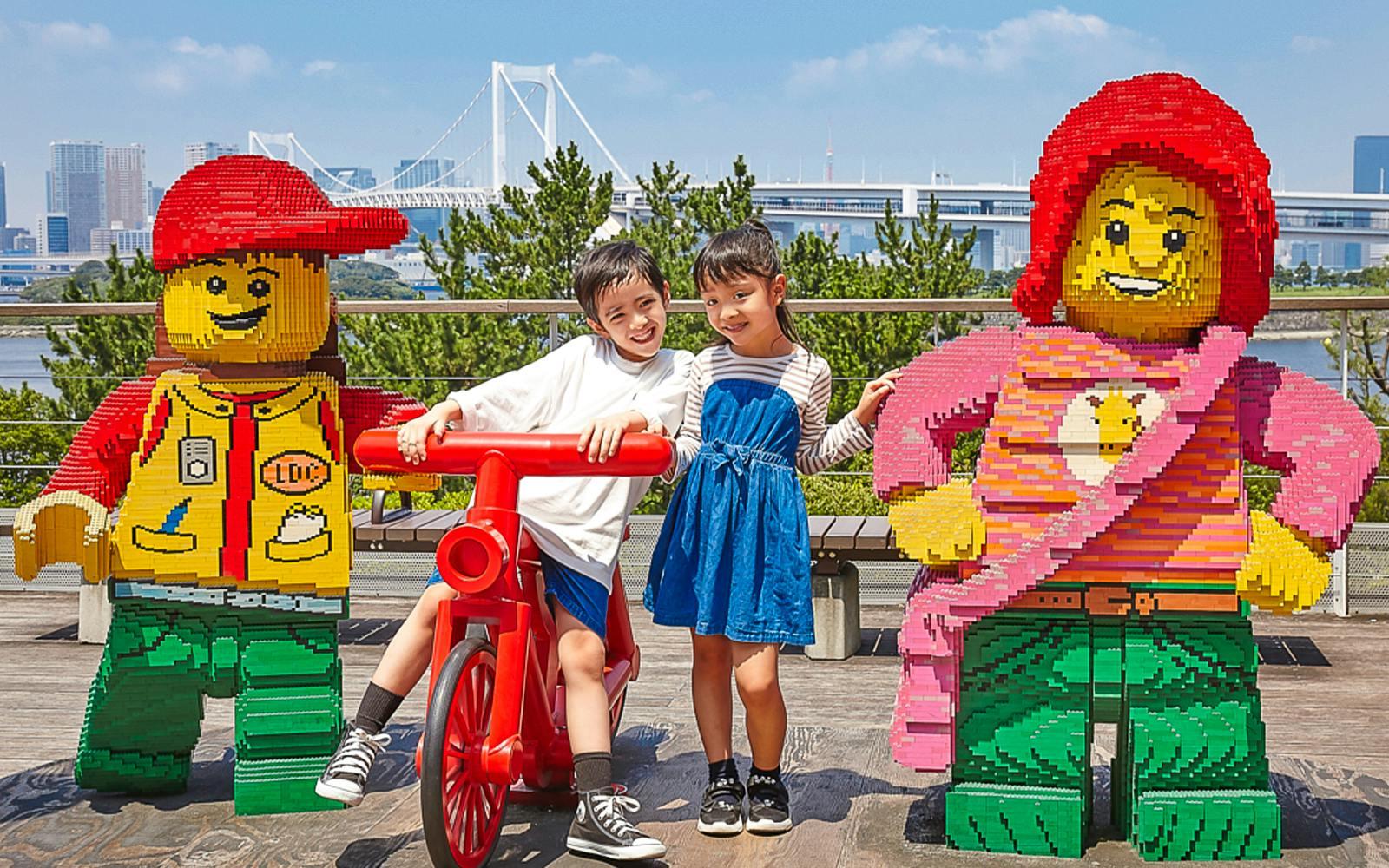
LEGOLAND Discovery Center Tokyo Tickets
Showing 12 of 178 activities
Things to Do in Tokyo
Tokyo is a city of extraordinary contrasts — ancient Shinto shrines next to neon-lit electronics districts, world-class sushi counters next to conveyor-belt restaurants, and some of the world's quietest garden spaces minutes from the densest urban neighbourhoods on earth. With a population of 14 million in the city proper and the world's most extensive urban rail network, Tokyo is simultaneously overwhelming and one of the easiest major cities to navigate. This guide covers the essential attractions, areas, and practical information for planning your visit.
Best Things to Do in Tokyo
- Visit Senso-ji Temple in Asakusa — Tokyo's oldest and most visited temple, best experienced at dawn before the crowds arrive
- Take the elevator to the observation deck of Tokyo Skytree, the world's tallest tower at 634 metres, for views stretching to Mount Fuji on clear days
- Explore the Shibuya Crossing and surrounding district — the world's busiest pedestrian crossing processes over 3,000 people per cycle
- Walk through Shinjuku Gyoen National Garden — 58 hectares of French, English, and Japanese gardens in the heart of the city
- Spend a morning in Tsukiji Outer Market for fresh seafood breakfast and some of the best sushi in the city at street-side stalls
- Explore Harajuku's Takeshita Street for youth fashion, crepe shops, and the subcultures that have made the neighbourhood famous globally
- Spend an evening in Golden Gai in Shinjuku — a network of tiny alleyways containing over 200 micro-bars, each seating fewer than 10 people
Top Attractions to Visit in Tokyo
Senso-ji Temple in Asakusa was founded in 628 AD and is the oldest temple in Tokyo. The Nakamise shopping street leading to the main gate is lined with traditional craft and souvenir shops. The five-storey pagoda and the main hall are floodlit at night. Arrive before 7am to experience the temple grounds before the crowds build significantly.
Tokyo Skytree in Sumida is the world's tallest tower at 634 metres and the world's second tallest structure. Two observation decks at 350 metres and 450 metres offer views across the entire Kanto Plain — on very clear winter days, Mount Fuji is visible 100 kilometres to the southwest. The base of the tower contains a large shopping and dining complex.
Meiji Jingu in Harajuku is a Shinto shrine dedicated to Emperor Meiji and Empress Shoken, set within 70 hectares of forested park land in the middle of central Tokyo. The contrast between the forest — which feels genuinely ancient — and the surrounding city is one of Tokyo's most striking experiences. Entry to the shrine grounds is free.
teamLab Borderless at Azabudai Hills is a digital art museum of over 50 interconnected immersive artworks covering a 10,000 square metre space. The exhibits use projection, light, and sound to create environments that change in response to visitors. Tickets must be booked online well in advance as the museum operates at limited capacity.
Areas and Neighbourhoods in Tokyo
Tokyo's 23 special wards each have a distinct character. Understanding which area offers what helps you plan efficiently and avoid spending all your time in the same district.
- Shinjuku — Tokyo's busiest transport hub, home to the world's busiest train station, Kabukicho entertainment district, Golden Gai, and Omoide Yokocho (Memory Lane) with its tiny yakitori stalls under the train tracks.
- Shibuya — The famous crossing, department stores, Hachiko statue, youth fashion, and a dense concentration of bars and restaurants. Best experienced in the evening when the energy peaks.
- Asakusa — The most traditionally Japanese of central Tokyo's neighbourhoods. Senso-ji, the Nakamise market street, rickshaw rides, and the Sumida River waterfront.
- Harajuku and Omotesando — Harajuku for Takeshita Street youth fashion and Meiji Jingu. Omotesando for luxury boutiques, architecture by Tadao Ando and Herzog and de Meuron, and some of Tokyo's best cafes and restaurants.
- Akihabara — The world's foremost electronics and manga district. Multi-storey shops selling components, retro games, anime merchandise, and the full range of Japanese pop culture products.
- Yanaka — One of the few Tokyo neighbourhoods that survived both the 1923 earthquake and wartime bombing. Traditional shotengai shopping streets, old temples, cats, and a cemetery that local residents use as a park. Feels like a different era of the city.
Romantic Things to Do in Tokyo
The Tokyo Skytree observation deck at night — the illuminated city stretching in every direction to the horizon — is one of the most dramatic night views of any city in the world. The deck at 350 metres is large but never as crowded as equivalent attractions in other cities. The view toward Asakusa and the Sumida River is particularly striking.
A walk through Shinjuku Gyoen in the late afternoon, when the light softens and the garden empties of its lunchtime crowd, followed by dinner in one of the small restaurants in Shinjuku's Takashimaya Times Square basement food hall, is one of the most quietly Japanese evenings possible in the city.
Yakatabune river dining — a traditional wooden boat cruise along the Sumida and Edo rivers with a set course meal of tempura, sashimi, and beer — has been a Tokyo tradition for centuries. Departure from Asakusa or Hamarikyu Gardens. Most boats operate in the evening and the city views from the water are spectacular.
Things to Do in Tokyo at Night
Golden Gai in Shinjuku is a network of six narrow alleyways containing over 200 micro-bars, each seating fewer than 10 people. Many bars are themed around specific subjects — film directors, cats, vinyl records, manga. Most welcome foreign visitors though a few are regulars-only. The atmosphere is unlike anything else in the city.
The Omoide Yokocho (Memory Lane) alleyway beside Shinjuku station's west exit contains tiny charcoal-grilled yakitori stalls that have operated since the postwar period. Smoke, standing-room only, cheap beer, and excellent chicken skewers — it is one of the most atmospheric eating experiences in Tokyo.
The teamLab Planets digital art installation in Toyosu is particularly striking at night, when the outdoor reflective pool and the illuminated interior environments are at their most immersive. Book tickets well in advance.
Tokyo's Michelin-starred restaurant count is the highest of any city in the world. For a high-end dinner, the Ginza and Roppongi districts have the highest concentration of acclaimed restaurants — reserve as early as possible for the most sought-after counters.
Family Activities in Tokyo
Tokyo is extremely well-suited to families — it is safe, clean, easy to navigate, and has a remarkable range of child-friendly attractions.
- Tokyo Disneyland and DisneySea — Tokyo DisneySea is widely considered the finest Disney park in the world. Located in Urayasu, 30 minutes from central Tokyo by train. Book tickets and FastPass well in advance, particularly for the Arabian Coast and Mysterious Island areas of DisneySea.
- Ghibli Museum — A museum dedicated to Studio Ghibli's films in Mitaka, west Tokyo. Tickets must be booked online months in advance through the official lottery system — they are not sold at the door. Suitable for fans of any age.
- Ueno Zoo — Japan's oldest zoo, set within Ueno Park alongside several museums. The giant panda enclosure is the most visited area. Combine with a walk through Ueno Park and Shinobazu Pond.
- Odaiba — A man-made island in Tokyo Bay with Legoland Discovery Center, a digital art museum, TeamLab Borderless, the Rainbow Bridge, and views back toward the city. Accessible by the driverless Yurikamome monorail.
- Kidzania Tokyo — A full-scale role-play city where children operate as adults in realistic professions. Located in Toyosu. Best for ages 3 to 15 and requires a full day. Book tickets in advance.
Best Time to Visit Tokyo
March and April are the most popular months to visit, coinciding with cherry blossom season. The exact dates shift annually but typically peak between late March and mid-April in Tokyo. Parks like Shinjuku Gyoen, Ueno Park, and Chidorigafuchi become genuinely spectacular. Book accommodation many months in advance for this period.
October and November offer autumn foliage — koyo — which turns Tokyo's parks and temple gardens red and gold. Temperatures are comfortable at 10 to 20°C, crowds are smaller than spring, and this is one of the most beautiful times to be in the city.
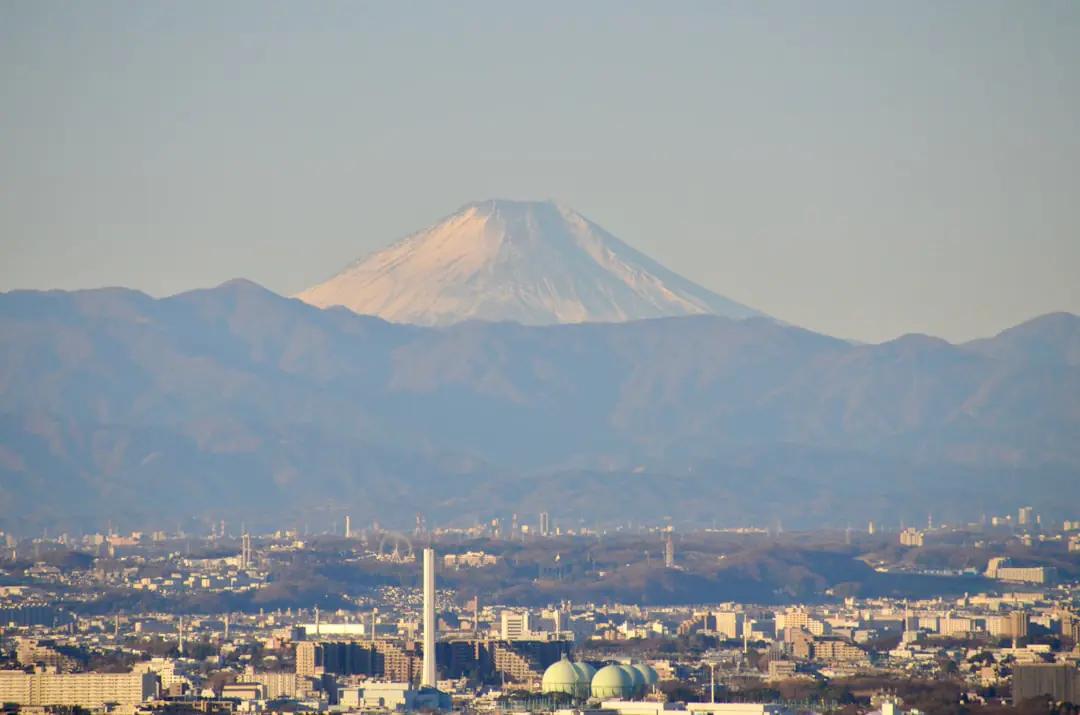
June and July bring the rainy season — high humidity and frequent rain make outdoor sightseeing less comfortable. August is hot and humid with temperatures regularly above 35°C. December to February is cold but rarely snowy in central Tokyo — clear winter days offer the best views of Mount Fuji from high vantage points.
Practical Information for Visiting Tokyo
- Getting around: The Tokyo Metro and JR train network is the most extensive urban rail system in the world. An IC card (Suica or Pasmo) loaded with credit works on all trains, subways, and buses and can be used for payments at convenience stores. The Google Maps transit function works perfectly for navigating the network.
- Currency: Japanese Yen (JPY). Japan remains significantly cash-based — carry yen at all times. 7-Eleven, Japan Post, and some other convenience store ATMs reliably accept foreign cards. Withdraw larger amounts to avoid multiple ATM fees.
- Language: Japanese. English signage is good on the Metro and in major tourist areas. Translation apps work well for menus and street signs. Learning a few basic Japanese phrases is genuinely appreciated.
- Visa: UK, EU, US, Canadian, and Australian citizens can enter Japan visa-free for up to 90 days. From March 2025, Japan requires most nationalities to register under a new Visit Japan Web system before arrival — check requirements before travelling.
- Etiquette: Remove shoes when entering homes and many traditional restaurants. Speak quietly on public transport — phone calls are considered impolite on the Metro. Tipping is not practised in Japan and can cause confusion or embarrassment.
- Costs: Tokyo is more affordable than its reputation suggests. Convenience store meals cost 500 to 800 JPY. Ramen and soba restaurants are typically 800 to 1,500 JPY. The Metro costs 170 to 310 JPY per journey depending on distance.
Written by Abhishek Kumar, Updated on 18 April 2026 at 11:48 am
FAQs
December to February offers mild weather and fewer crowds, ideal for exploring attractions like Senso-ji Temple.
Tokyo's Yomiuri Land is worth at least half a day — most visitors underestimate how much there is to see.
Tokyo is best navigated by metro and train, with an extensive network covering the city efficiently.
Tokyo is considered very safe for tourists, with low crime rates and a strong police presence in tourist areas.
6–9 days is enough time to cover Tokyo's main sights without feeling rushed or overwhelmed.
Stay in central areas like Shinjuku, Shibuya, or Asakusa for easy access to major attractions and public transport.
Visitors from UK, EU, US, Canada, and Australia can enter Japan visa-free for up to 90 days. Use Japanese Yen (JPY) as the currency.
Tokyo offers a mix of family-friendly attractions like Tokyo Disneyland and vibrant nightlife in areas such as Shinjuku, catering to all types of visitors.
Top Activities in Tokyo
We've served 50 million+ guests and are here to serve you better
Premium support, curated experiences, and trusted reviews so every trip feels effortless.
Happy travellers across 12,000+ carefully curated experiences worldwide.
Recognised and recommended by leading travel and lifestyle publishers.
Live chat with local experts before, during, and after your experience.